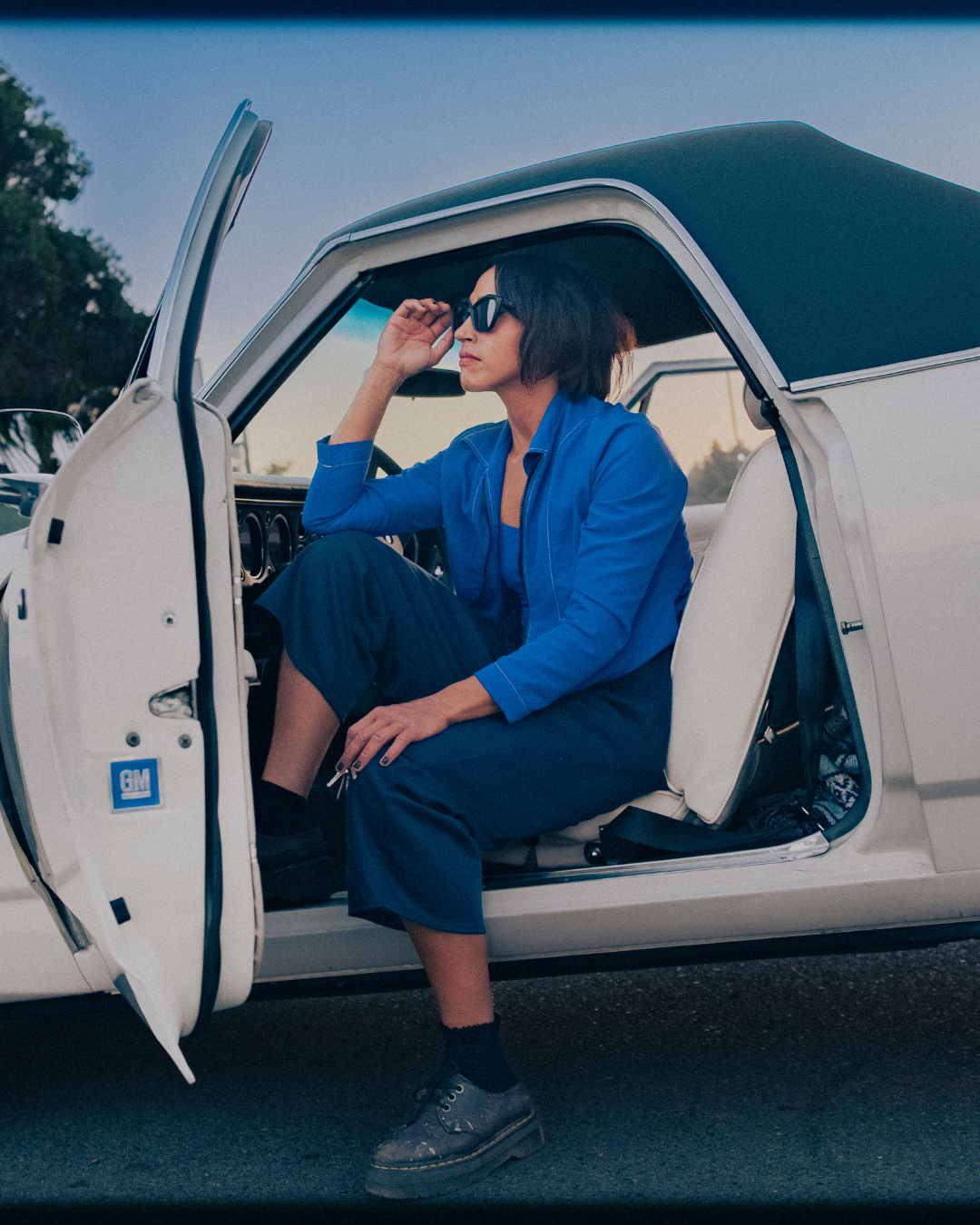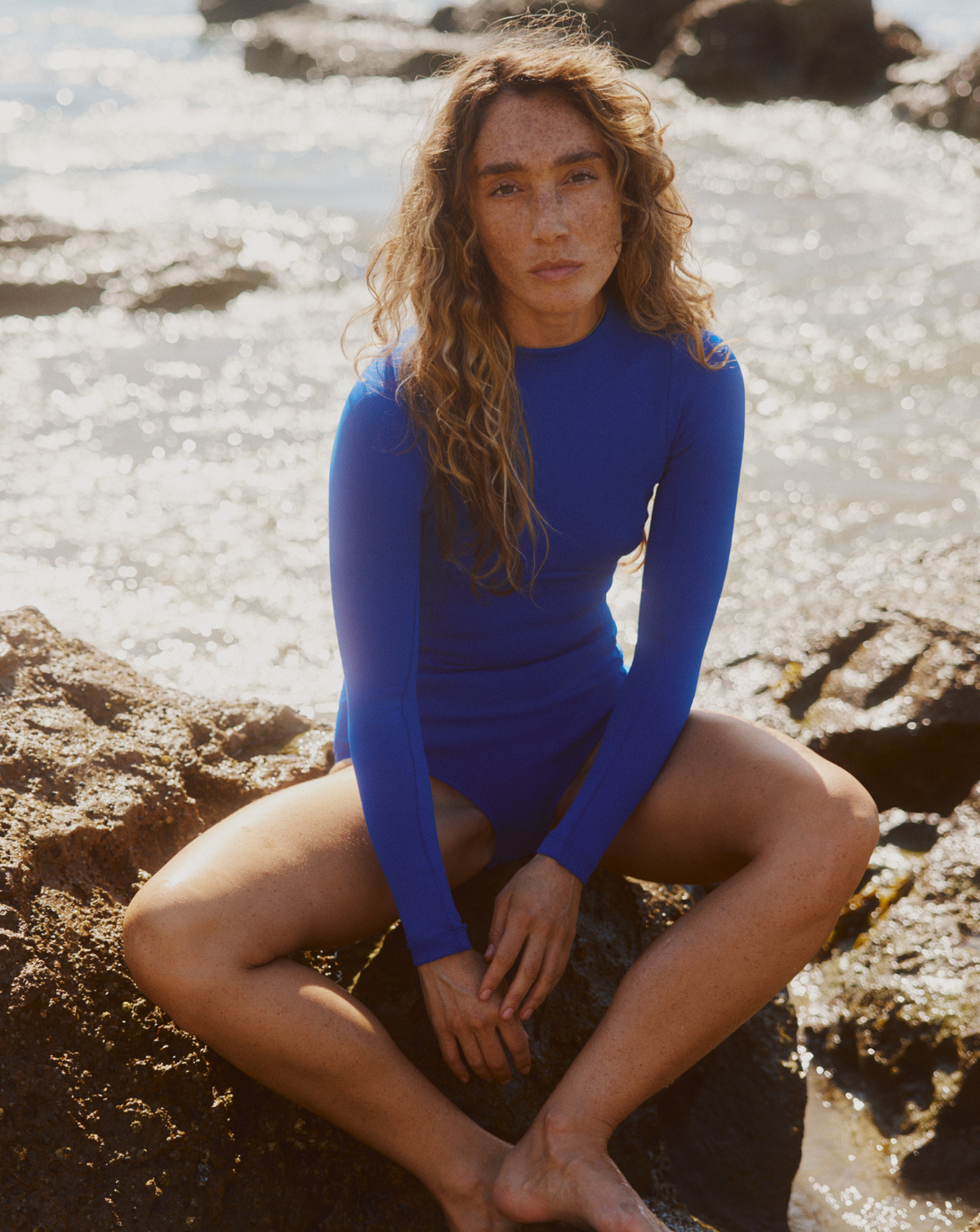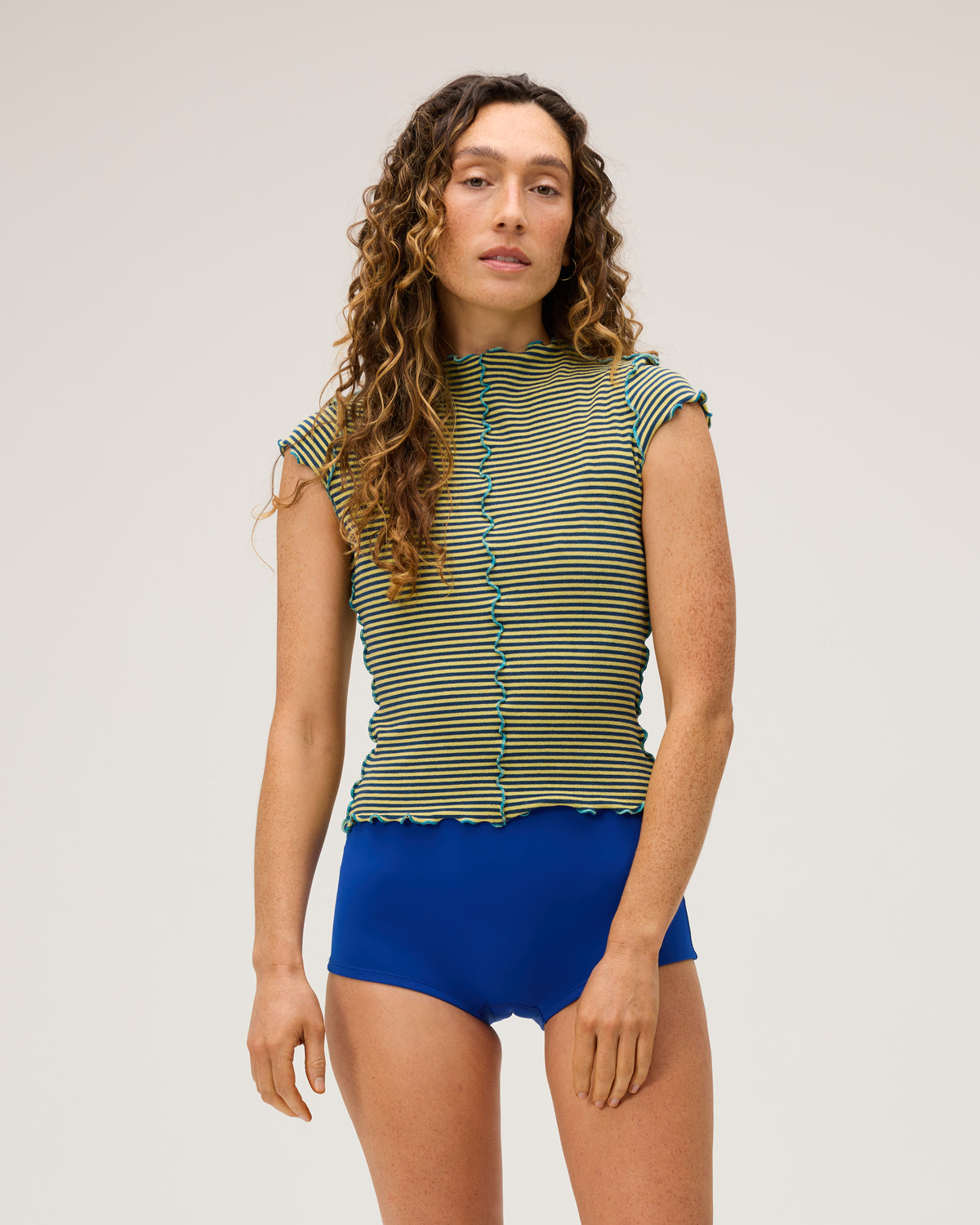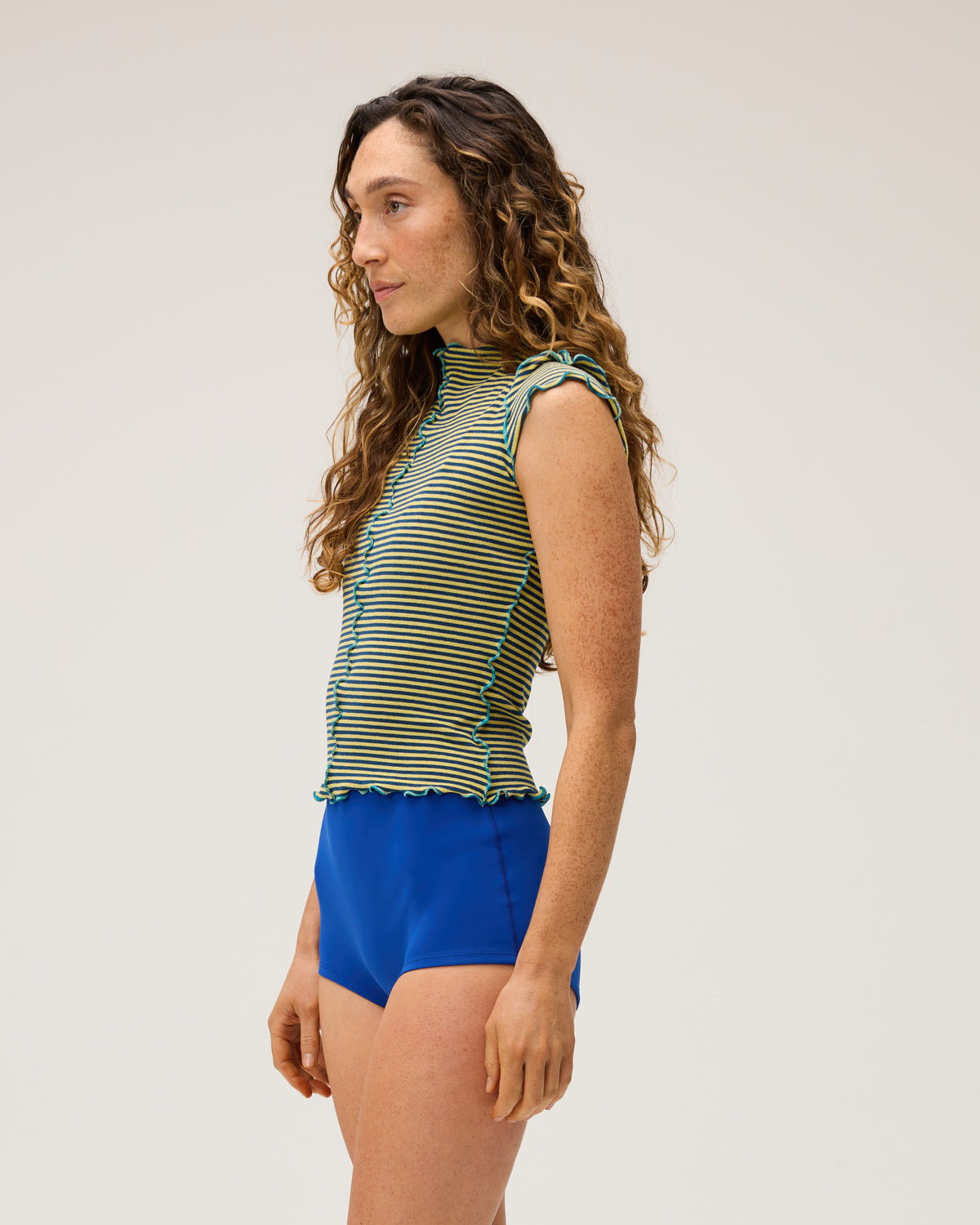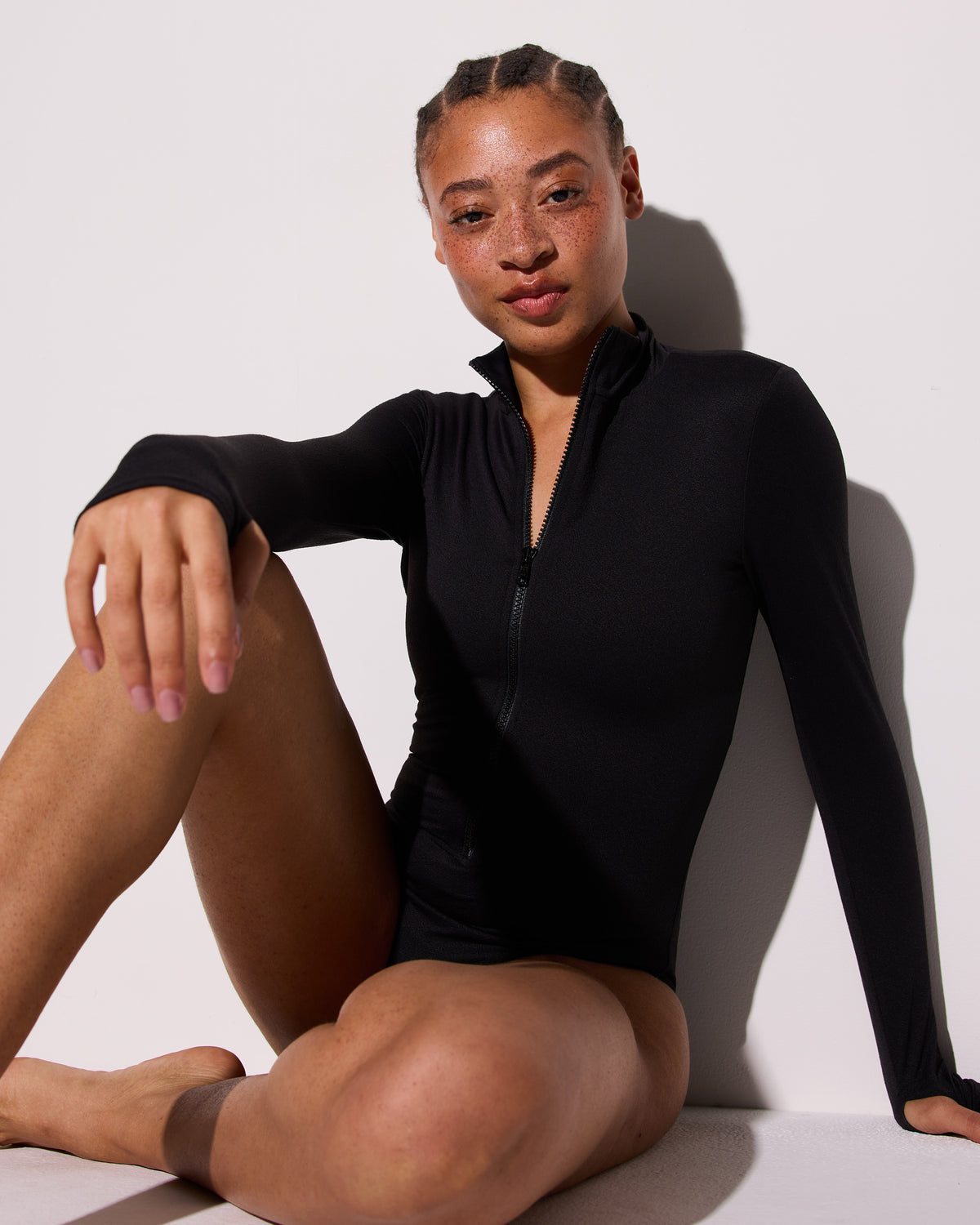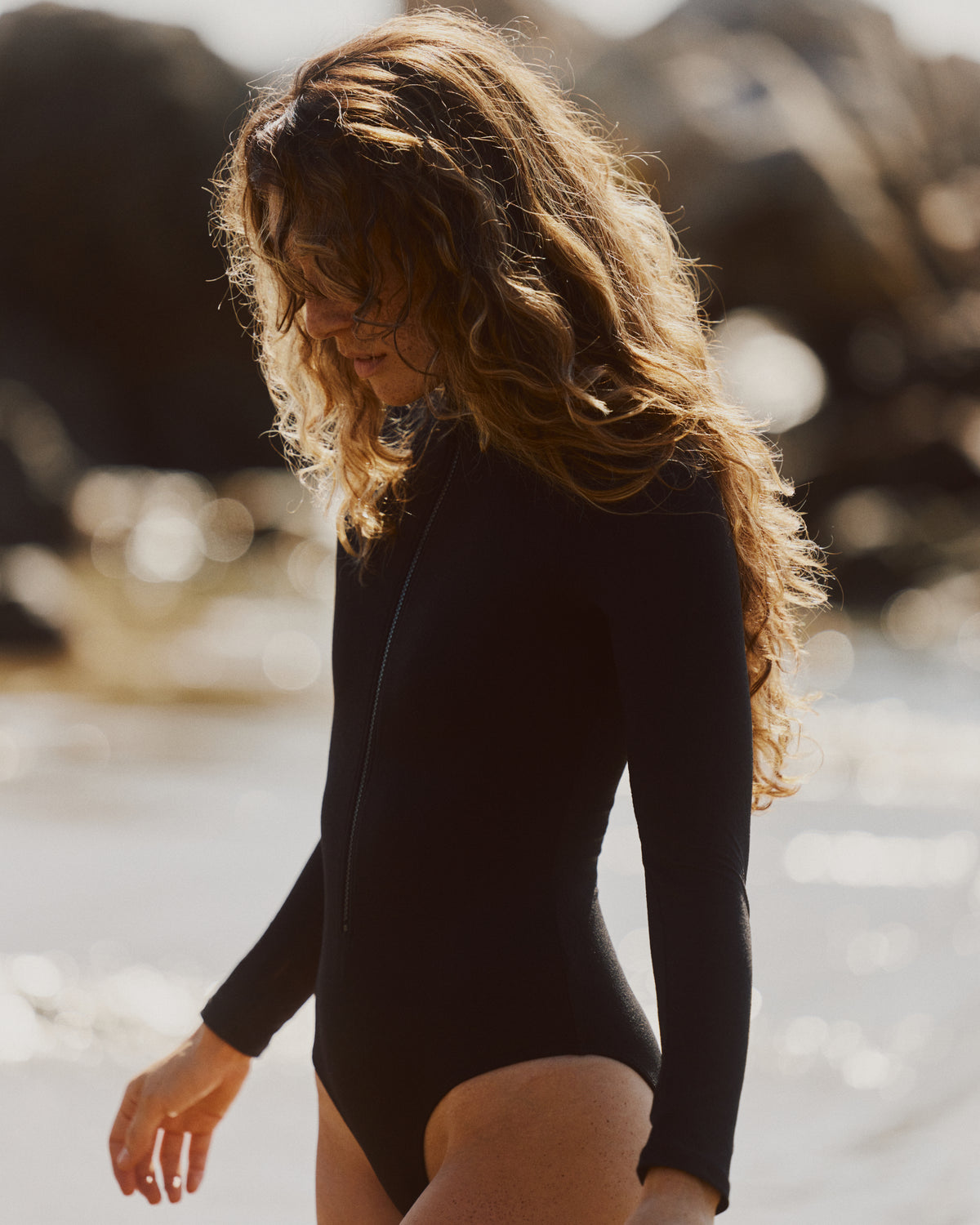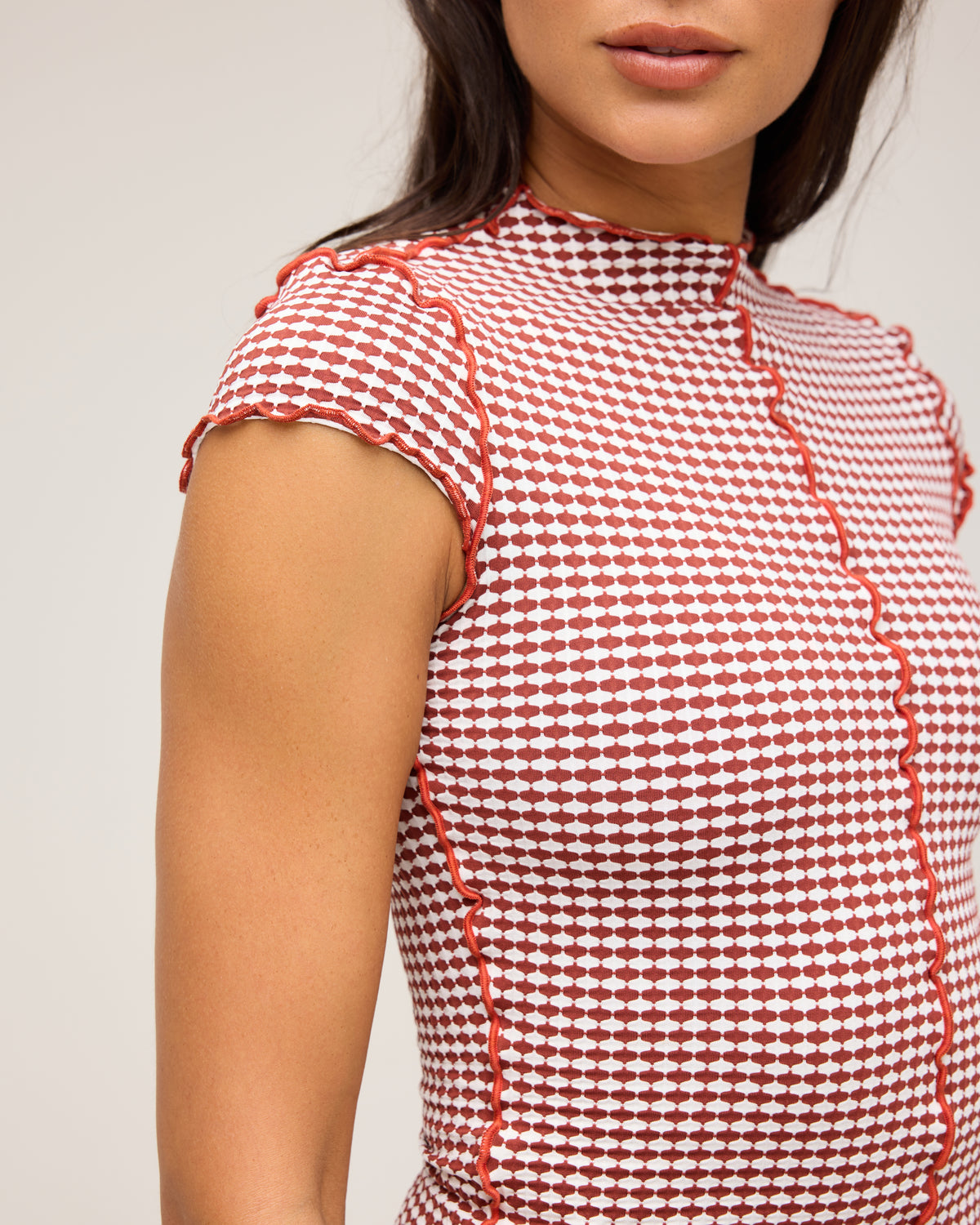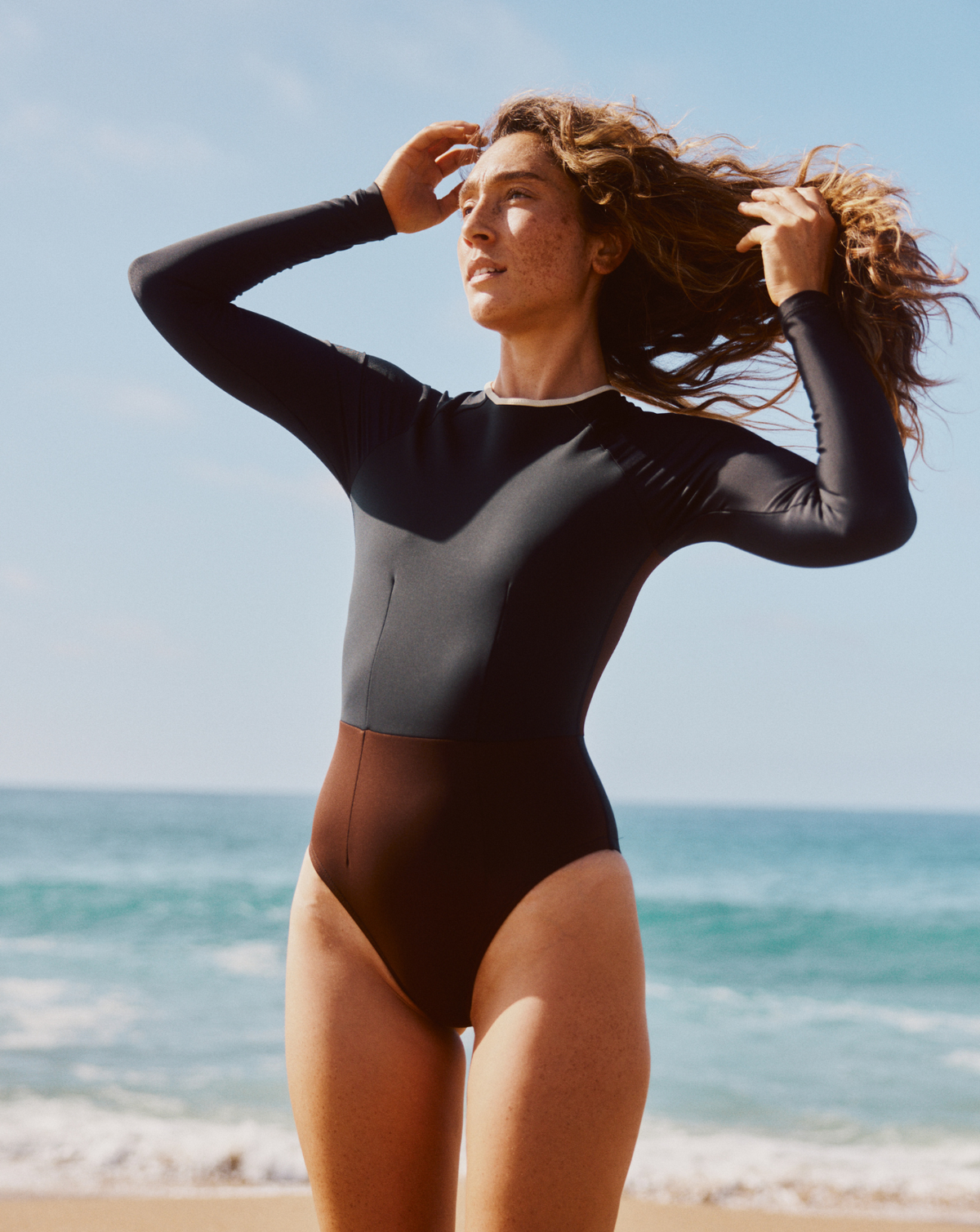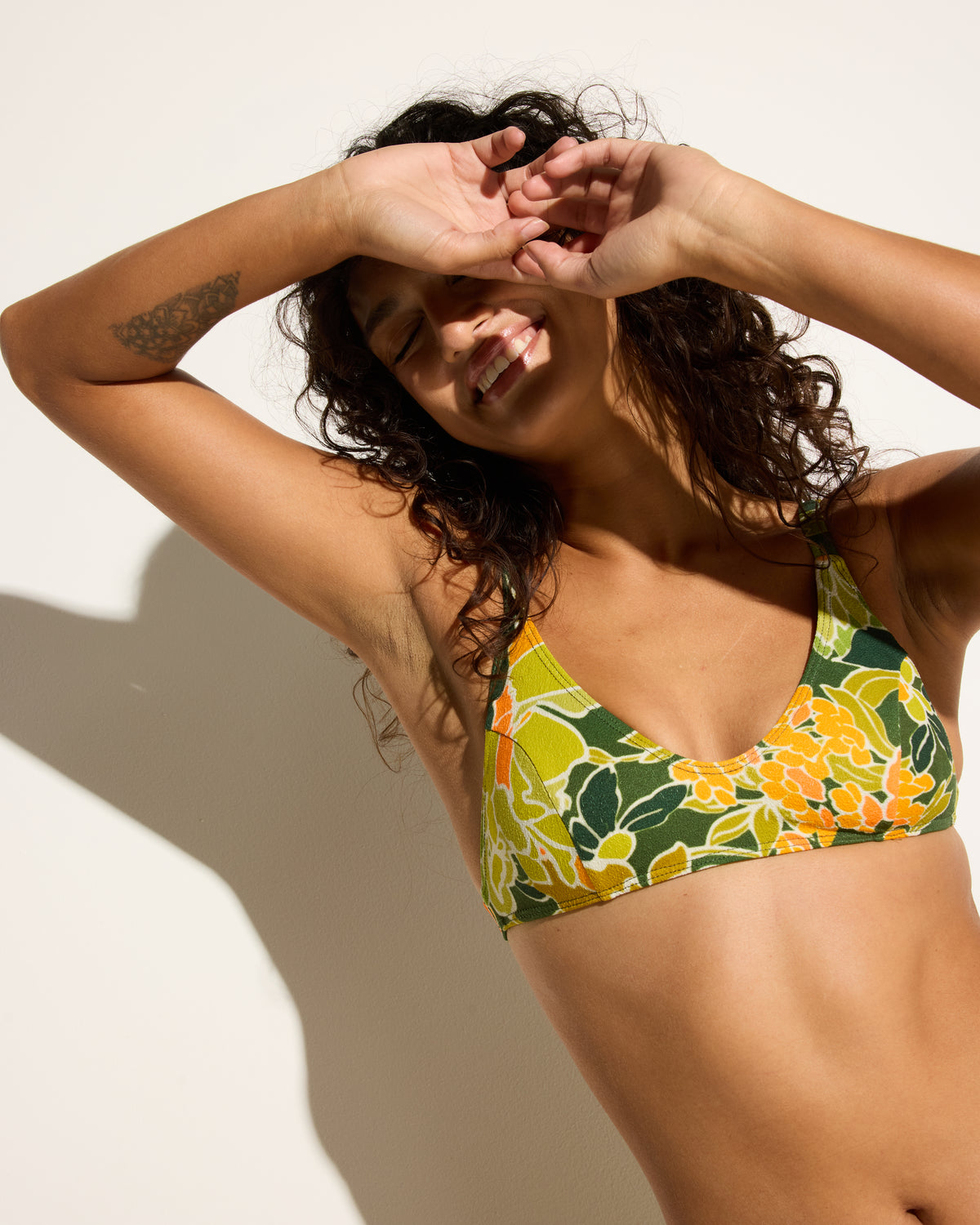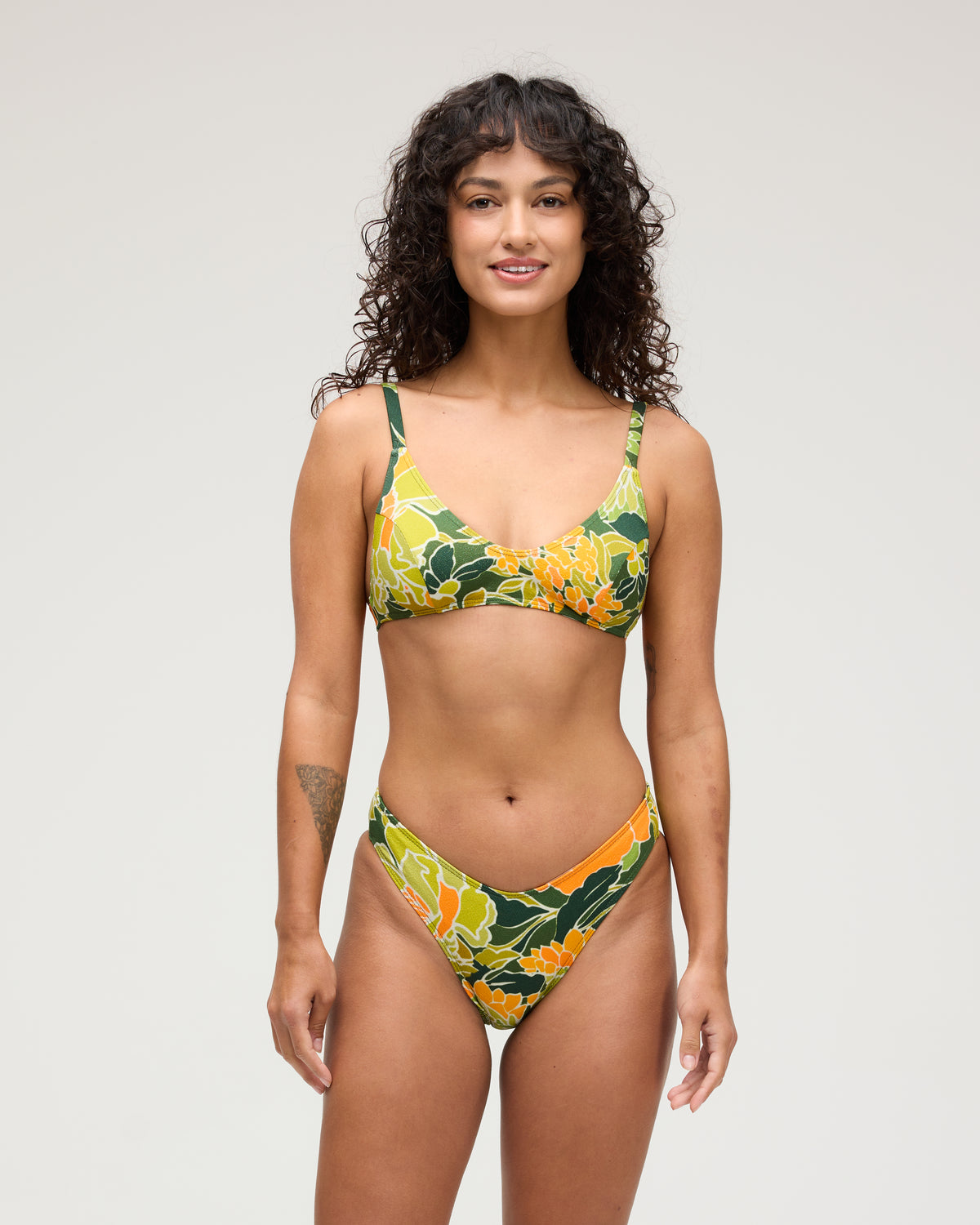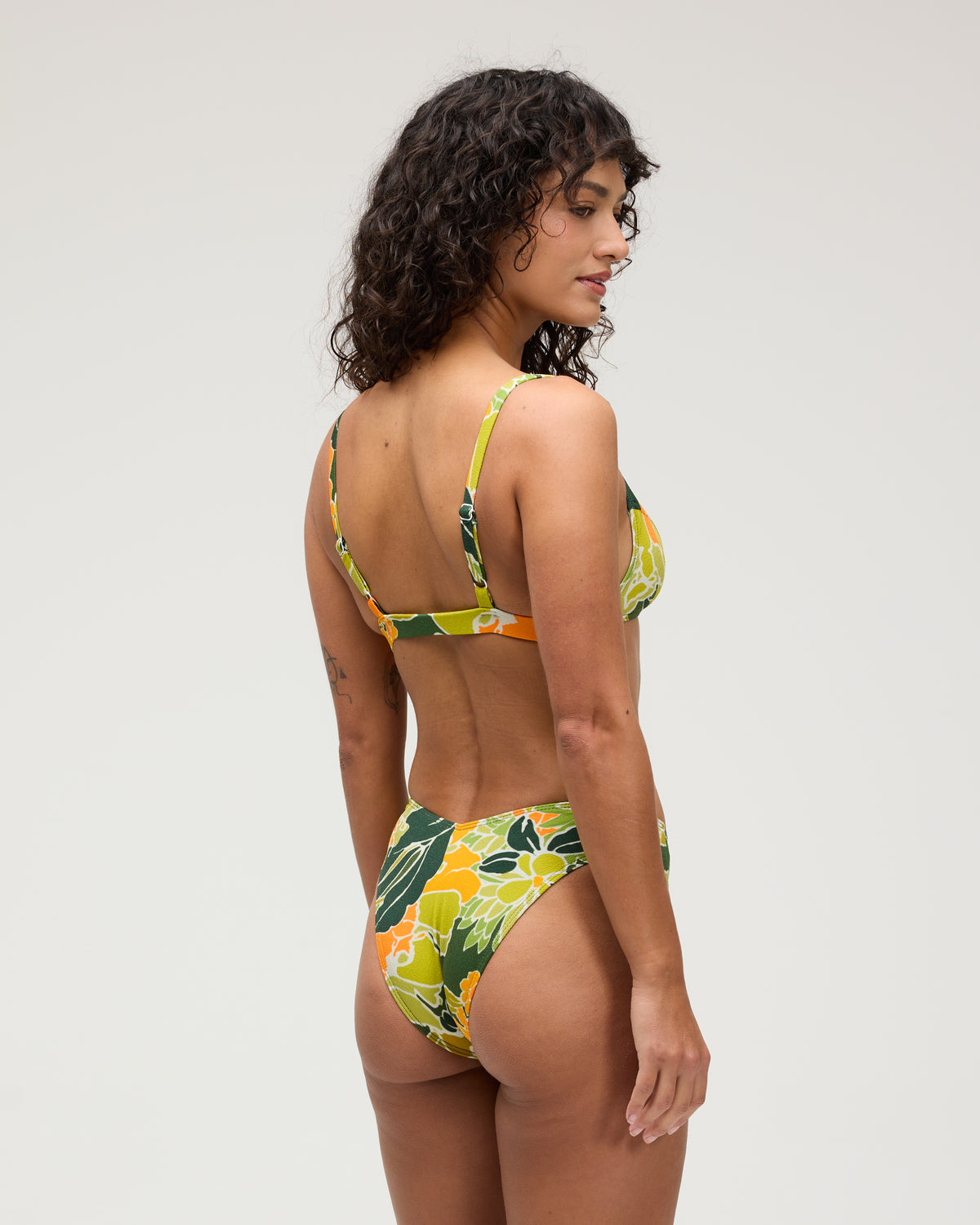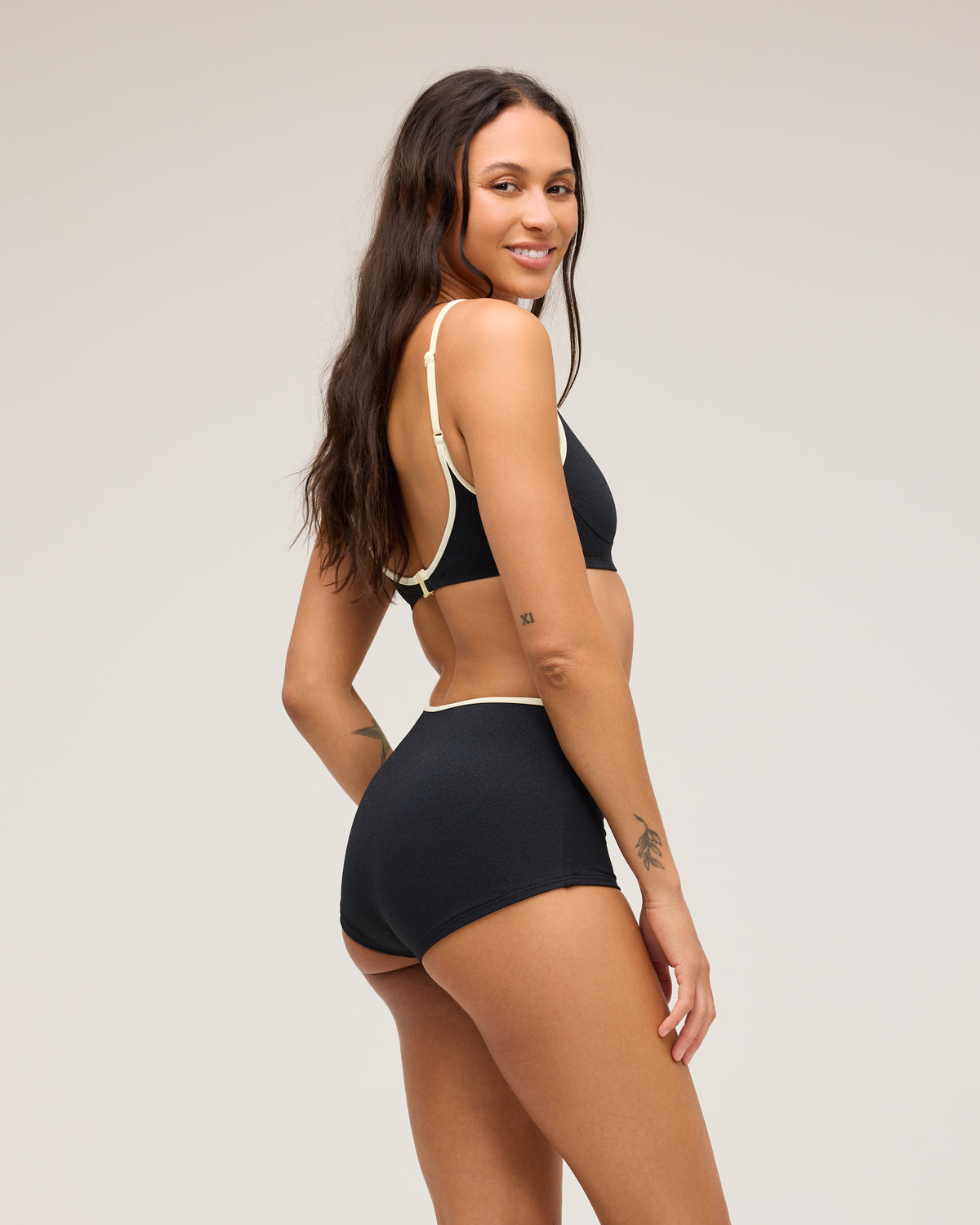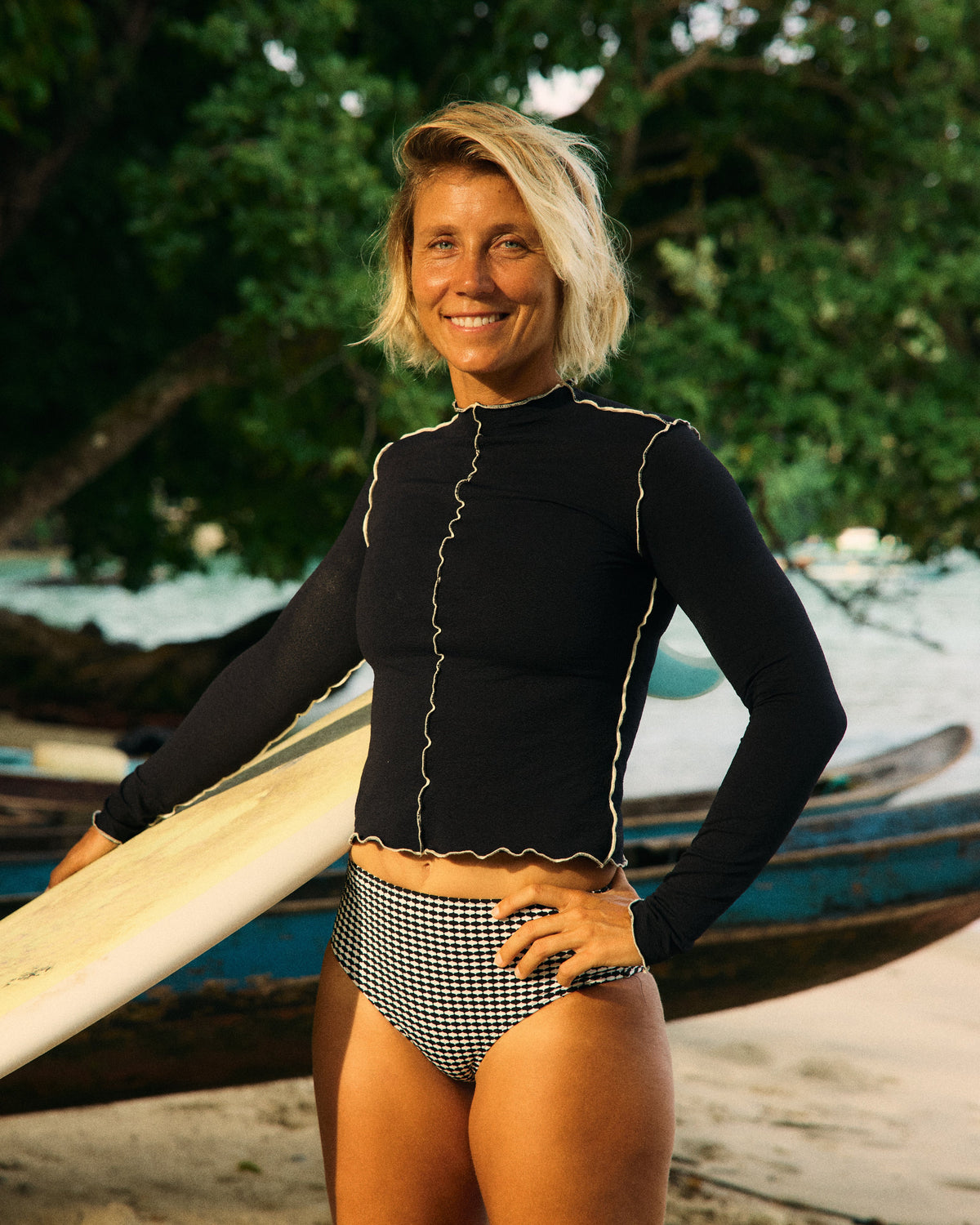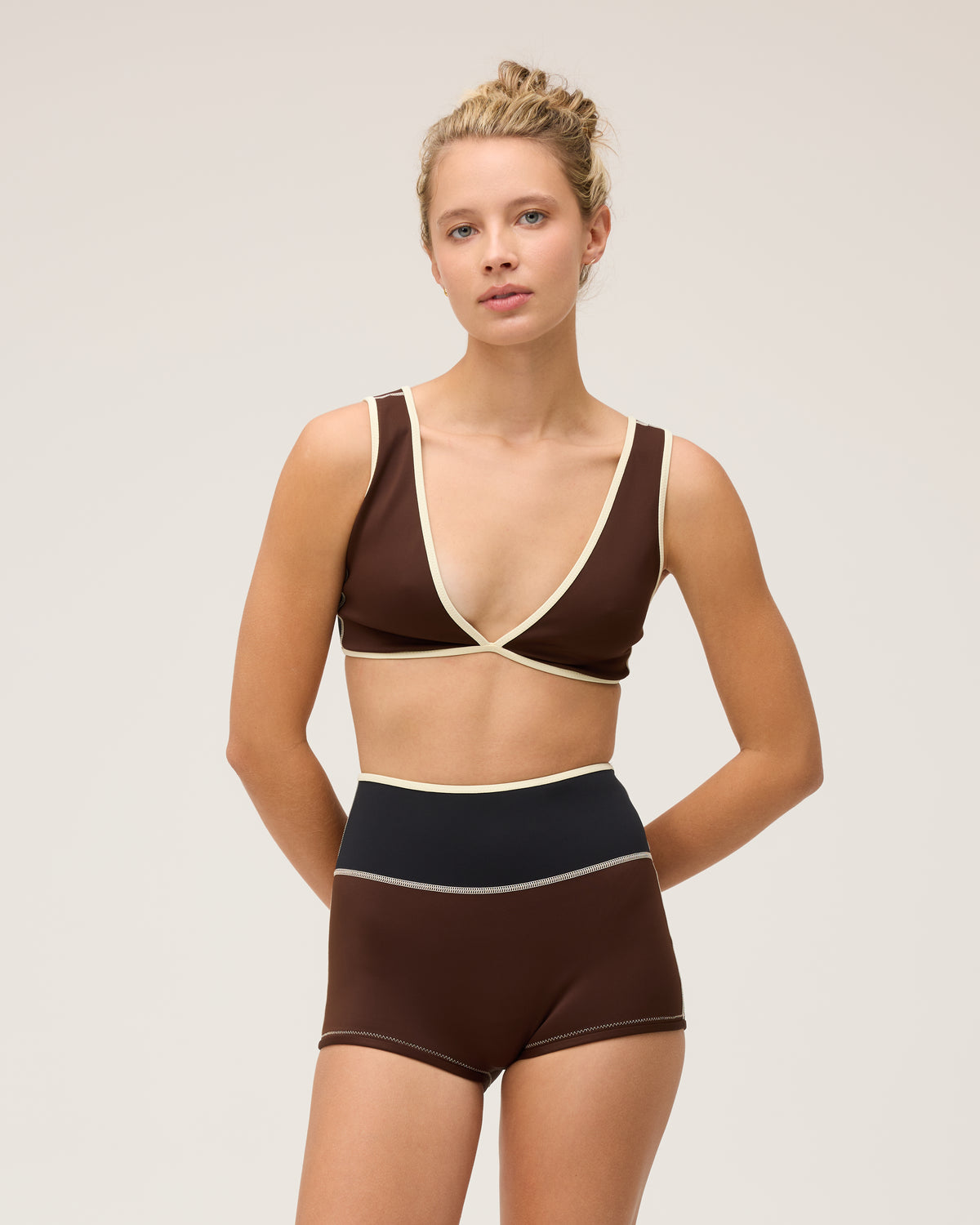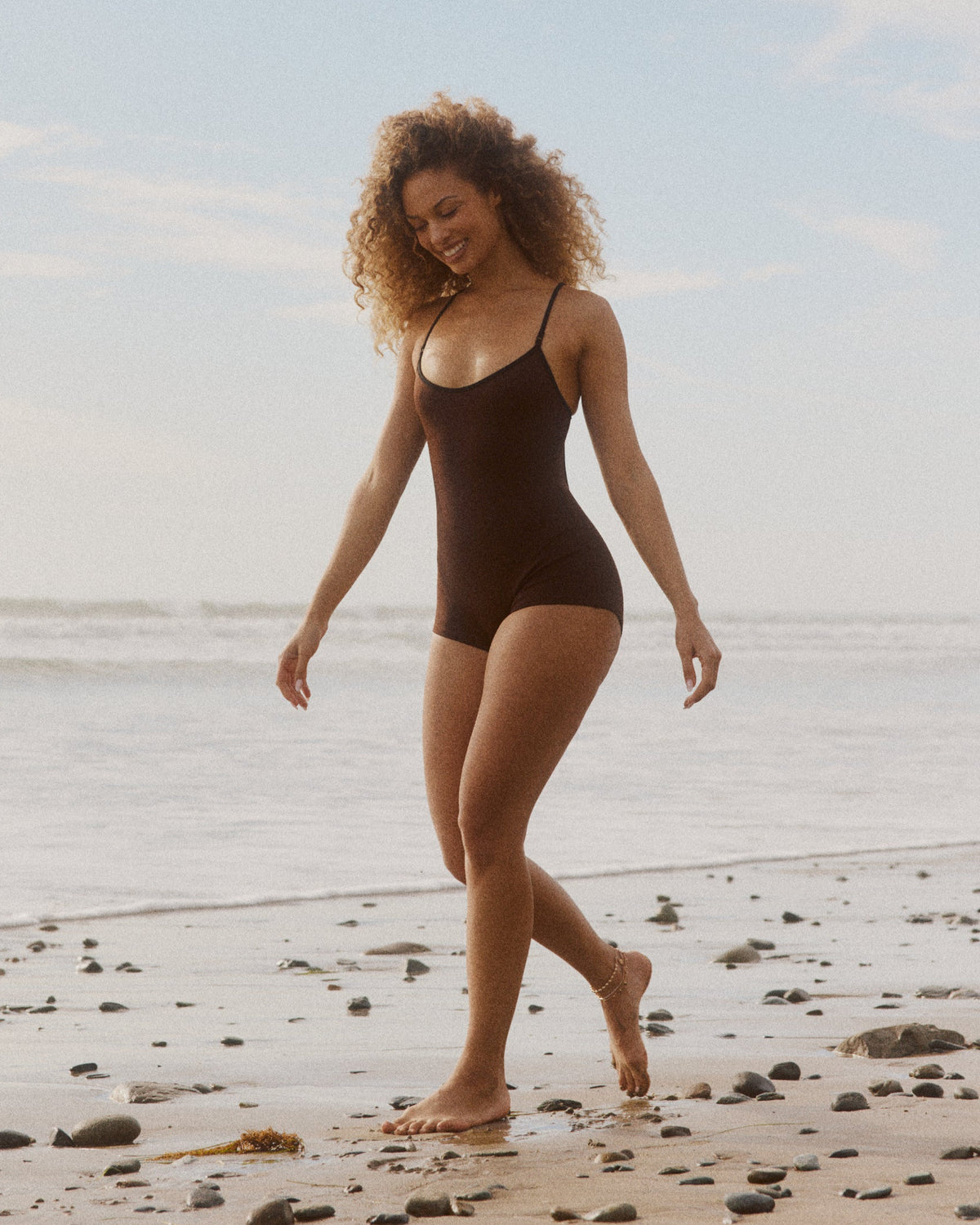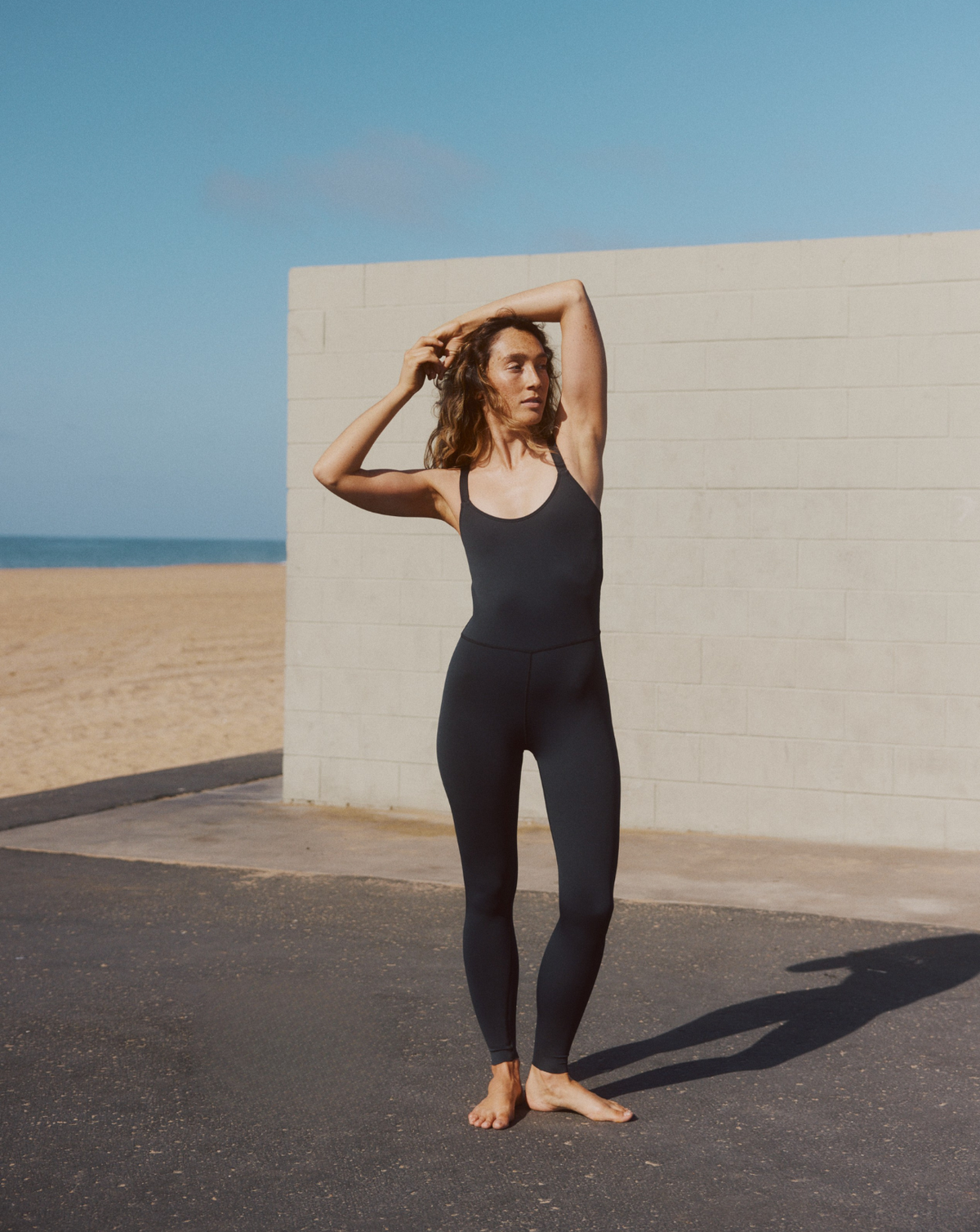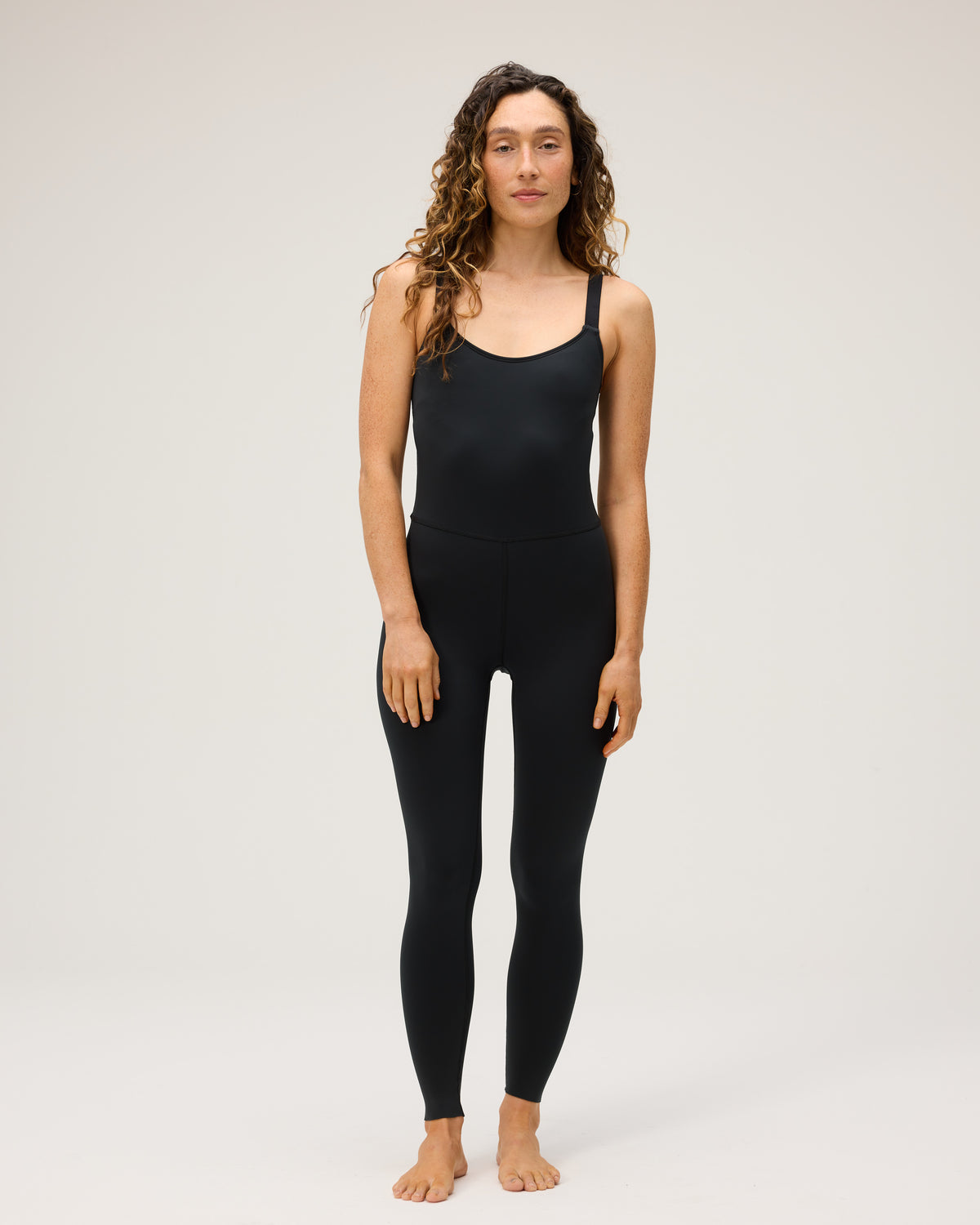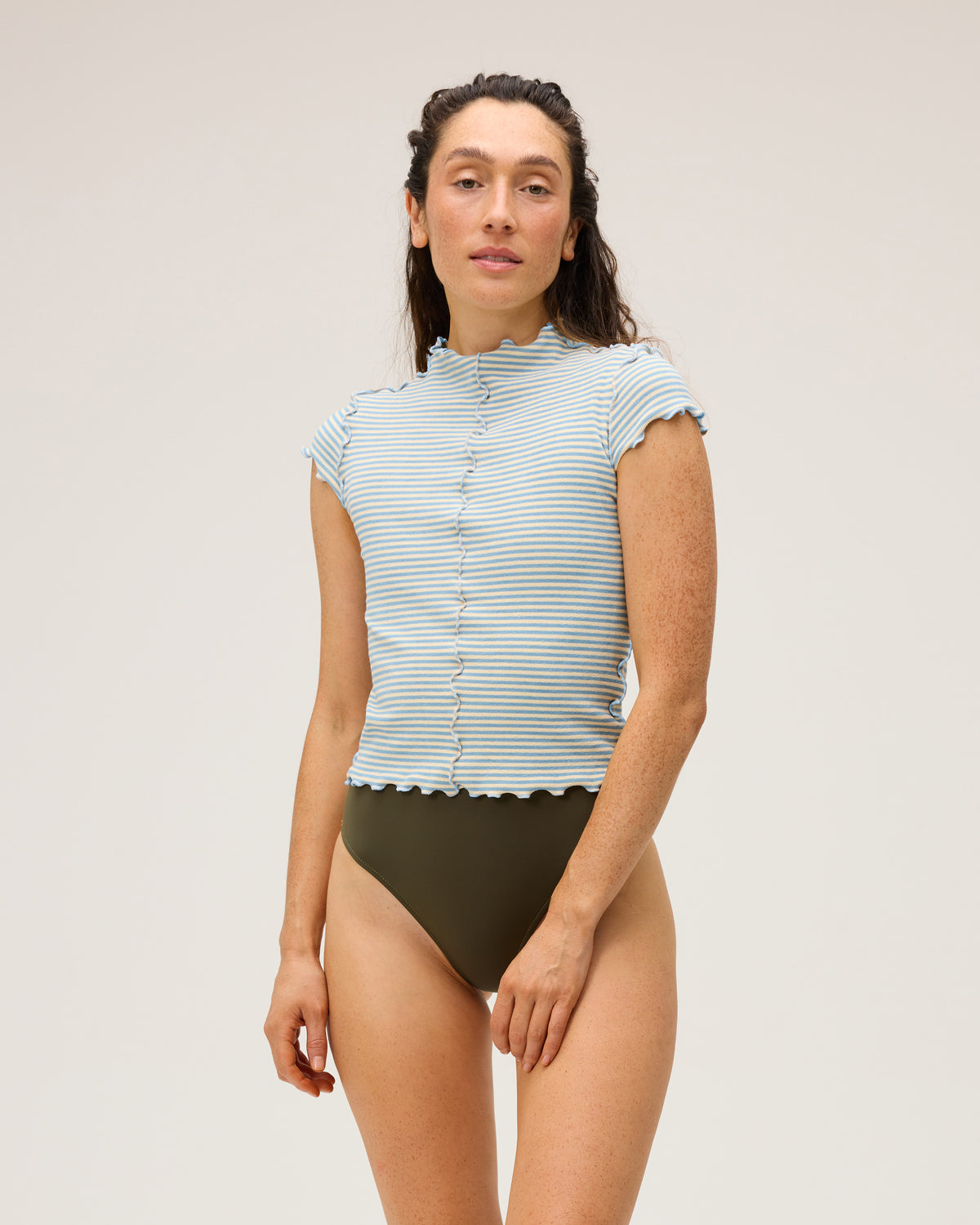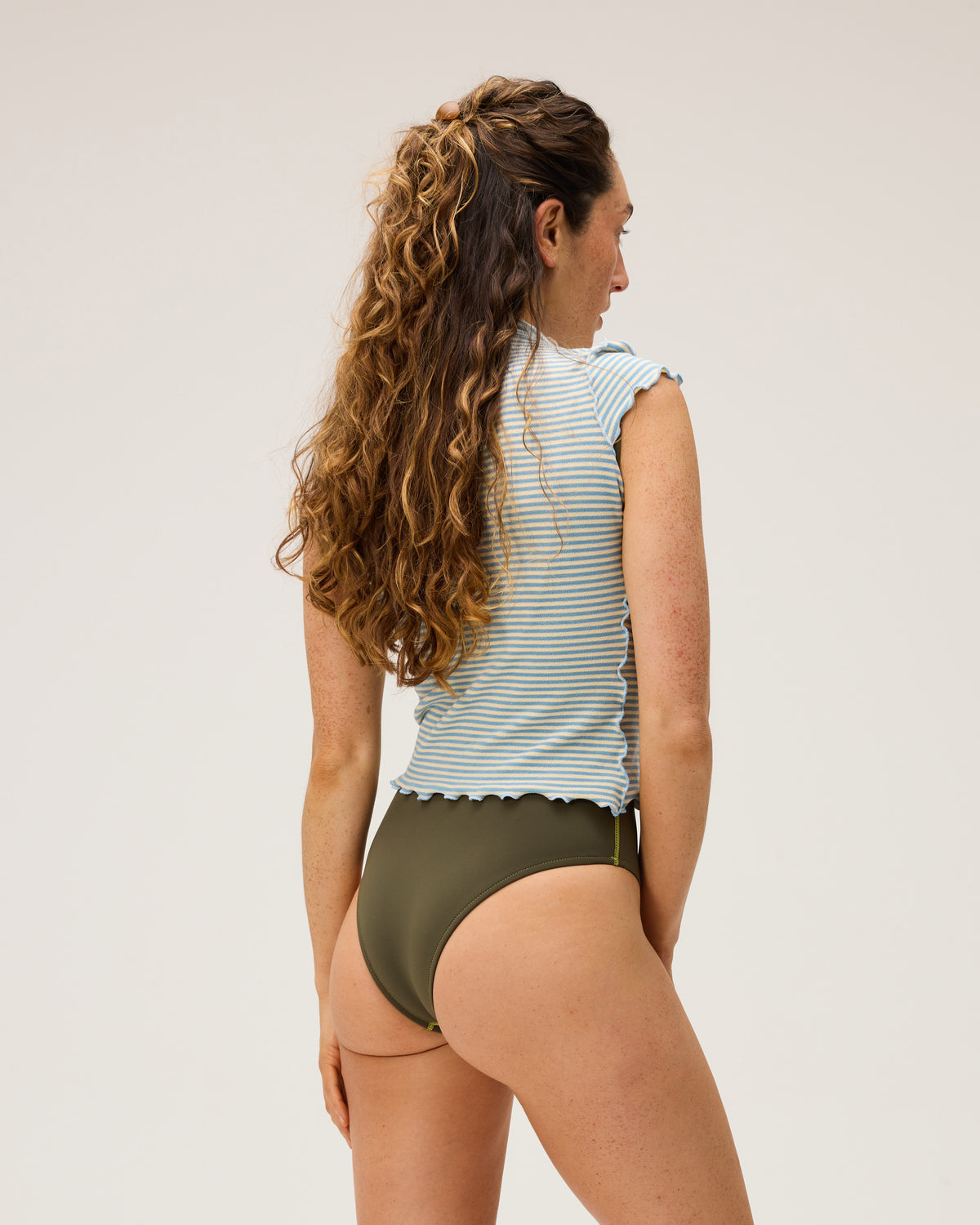
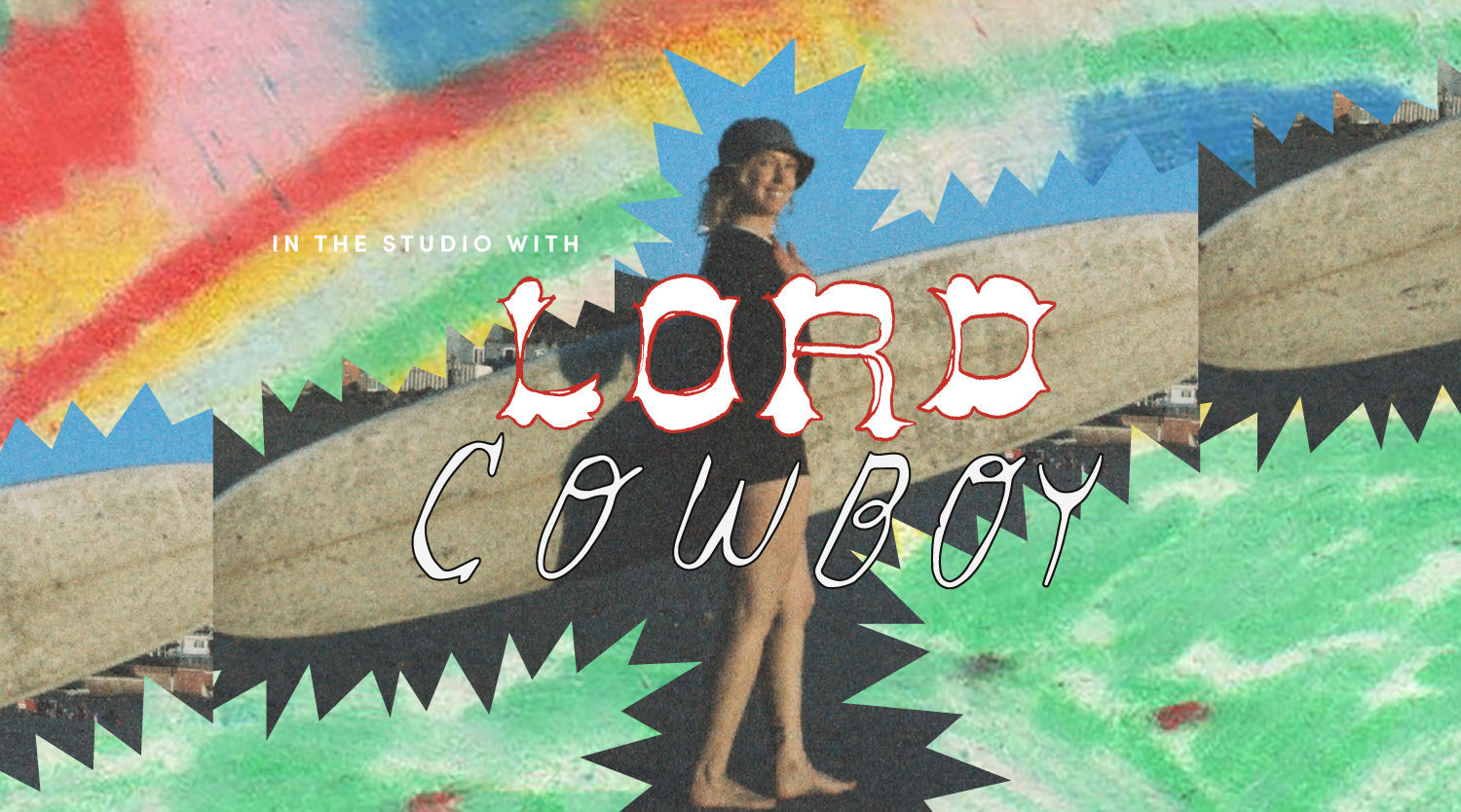
Joanna Fusco, known colloquially as Lordcowboy, is an artist, writer, thoughtful community member and surfer. With her studio, ROCK SHOP, in Morro Bay, California, Joanna draws inspiration from life in the west, womanhood, the mundane and the extraordinary. Her art and word-smithing resonates with many creating a community of questioners, wild hearts and fierce friends!
Seea was lucky to sit down with Joanna and explore her views on time spent in the ocean, the importance of presence / social media detoxing, and how small actions are building blocks for bigger impacts.
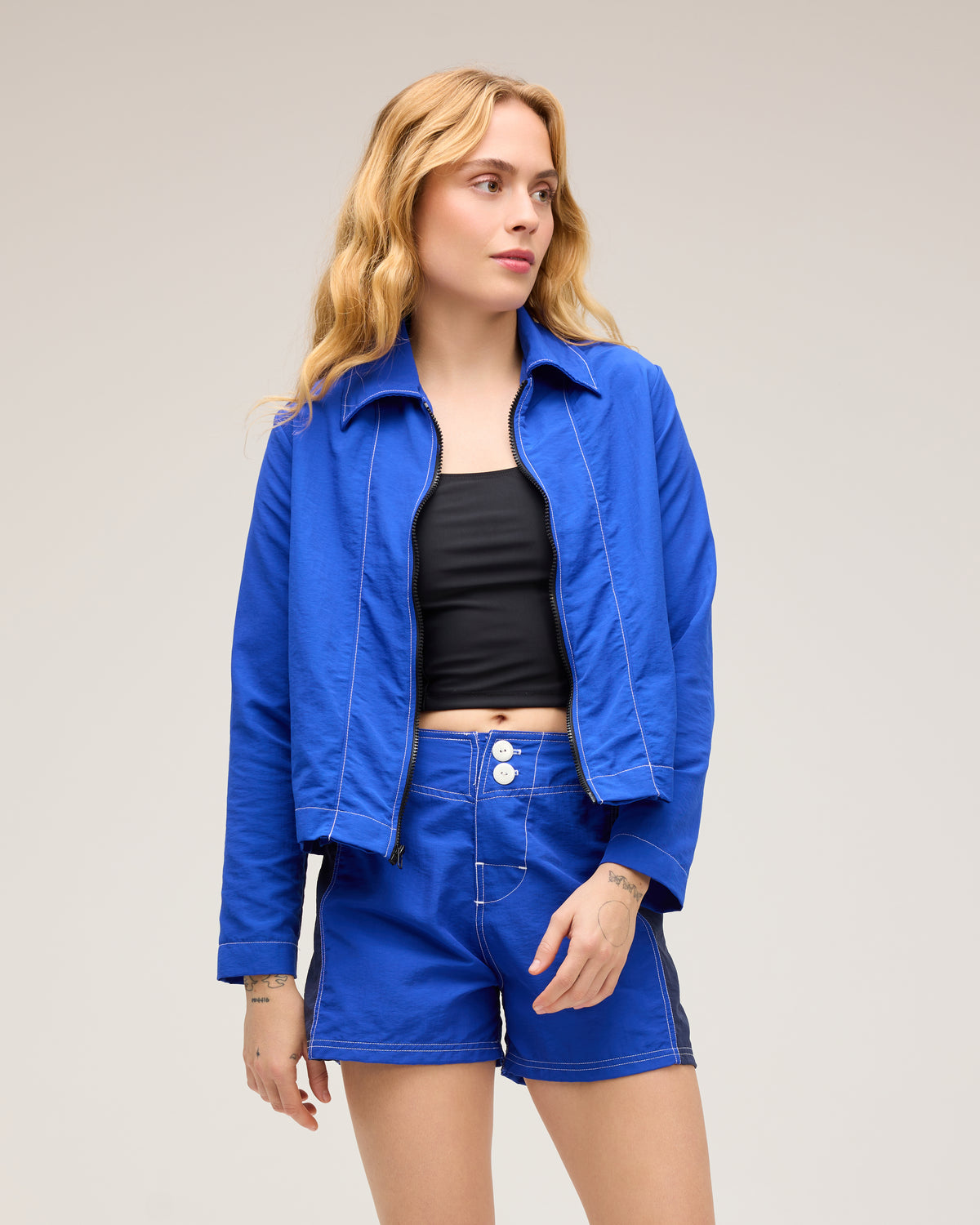
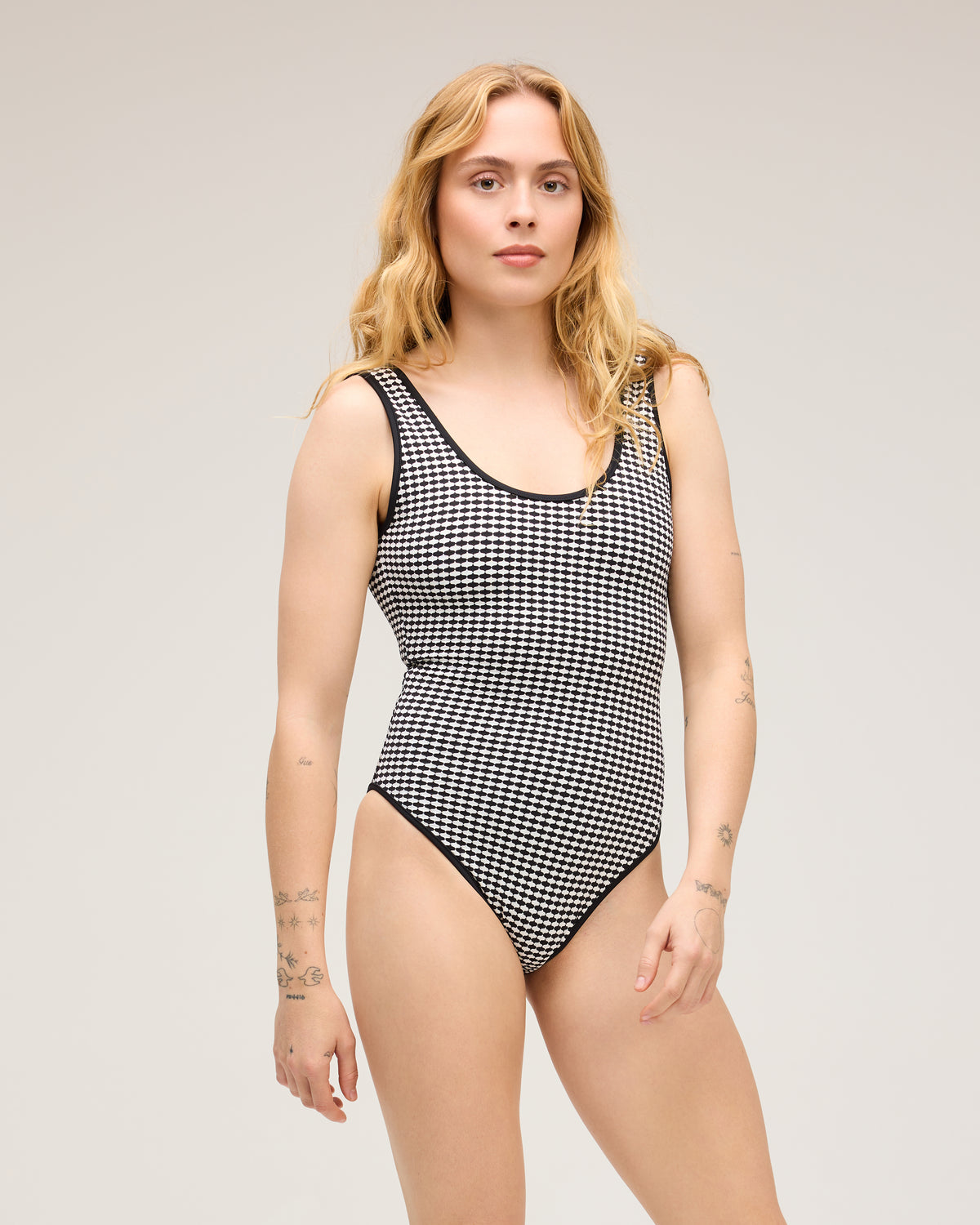
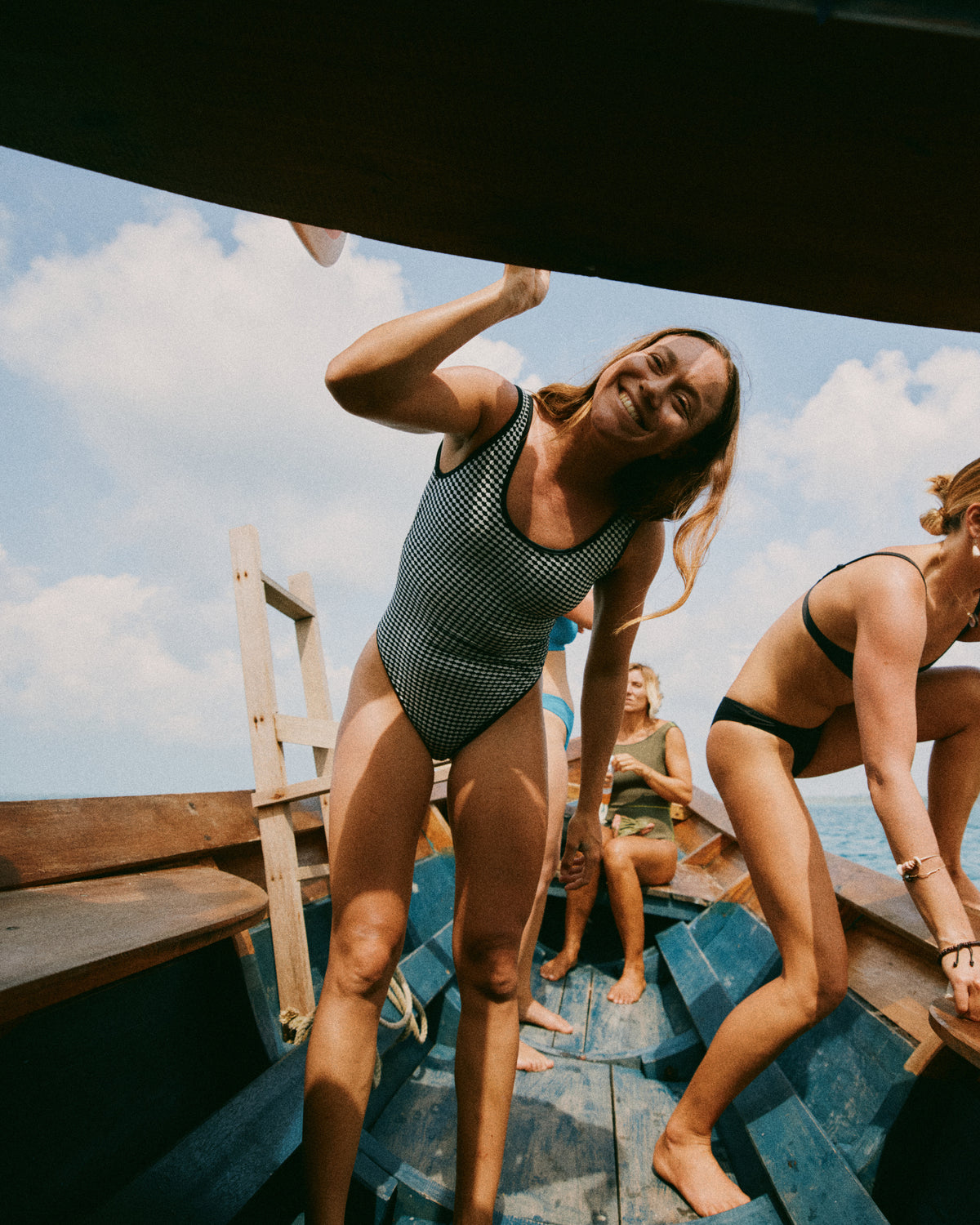
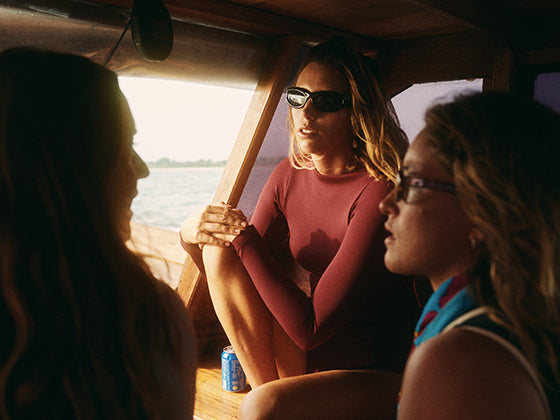
Photos by Sequoia Wade-Dunleavy
Art by Joanna Fusco Lordcowboy

1. Growing up, what did a creative practice look like to you? Was it spending time in nature, playing, centered around community, did you already practice art?
As a child, I was always very interested in drawing freehand, filling coloring books with my grandmother, or tracing images from my favorite picture books. Visual art was a constant thread, but I was mostly fueled by music and a desire to dance, sing, and perform. I got my first guitar when I was 10, I took dance classes, and I was on stage pretending to be a rock star–literally lip syncing at school talent shows–as much as possible.
 Art by Joanna Fusco! Find it on her website for purchase!
2. How did you start surfing? What is surfing to you– A physical practice, a community, a connection to nature?
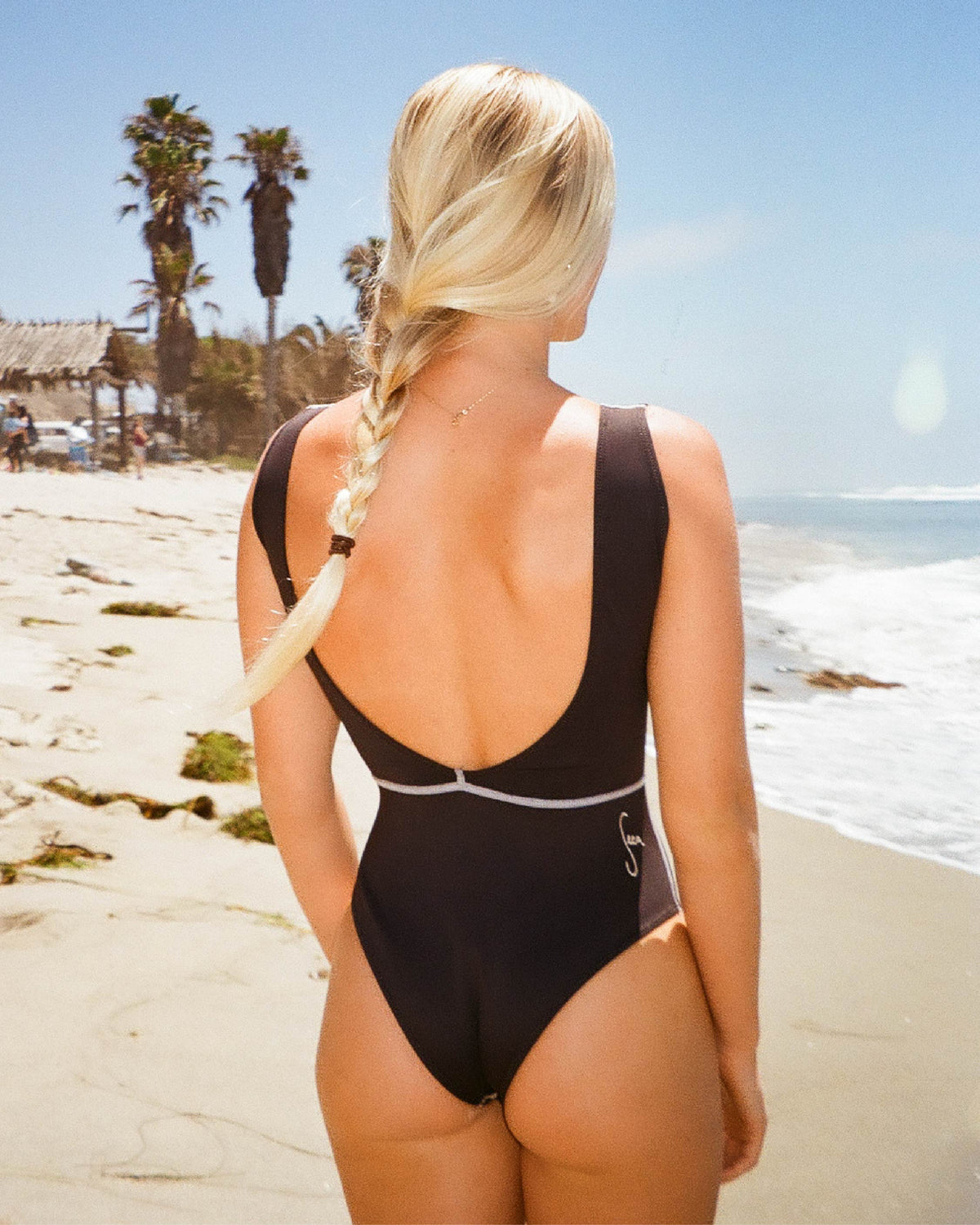
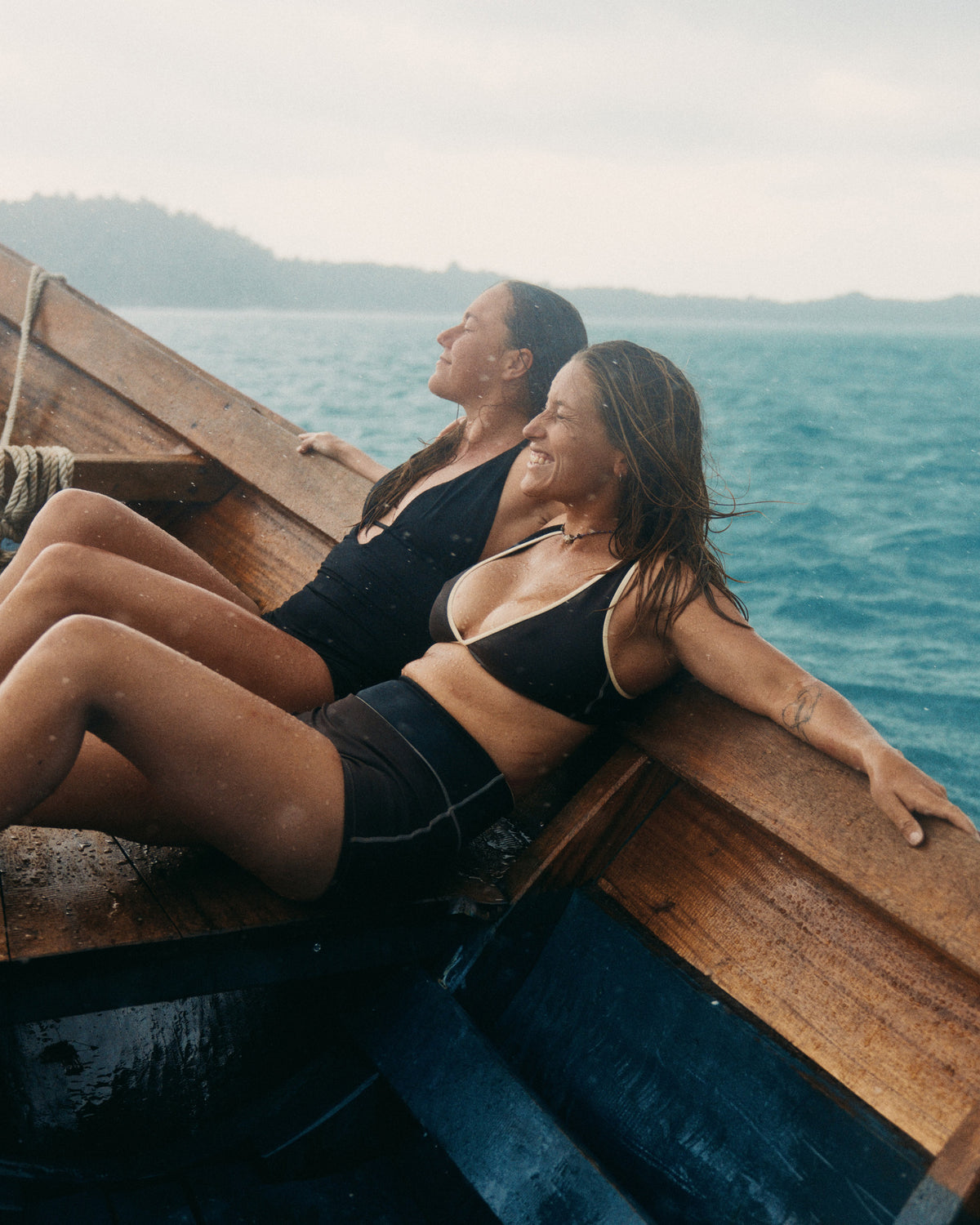
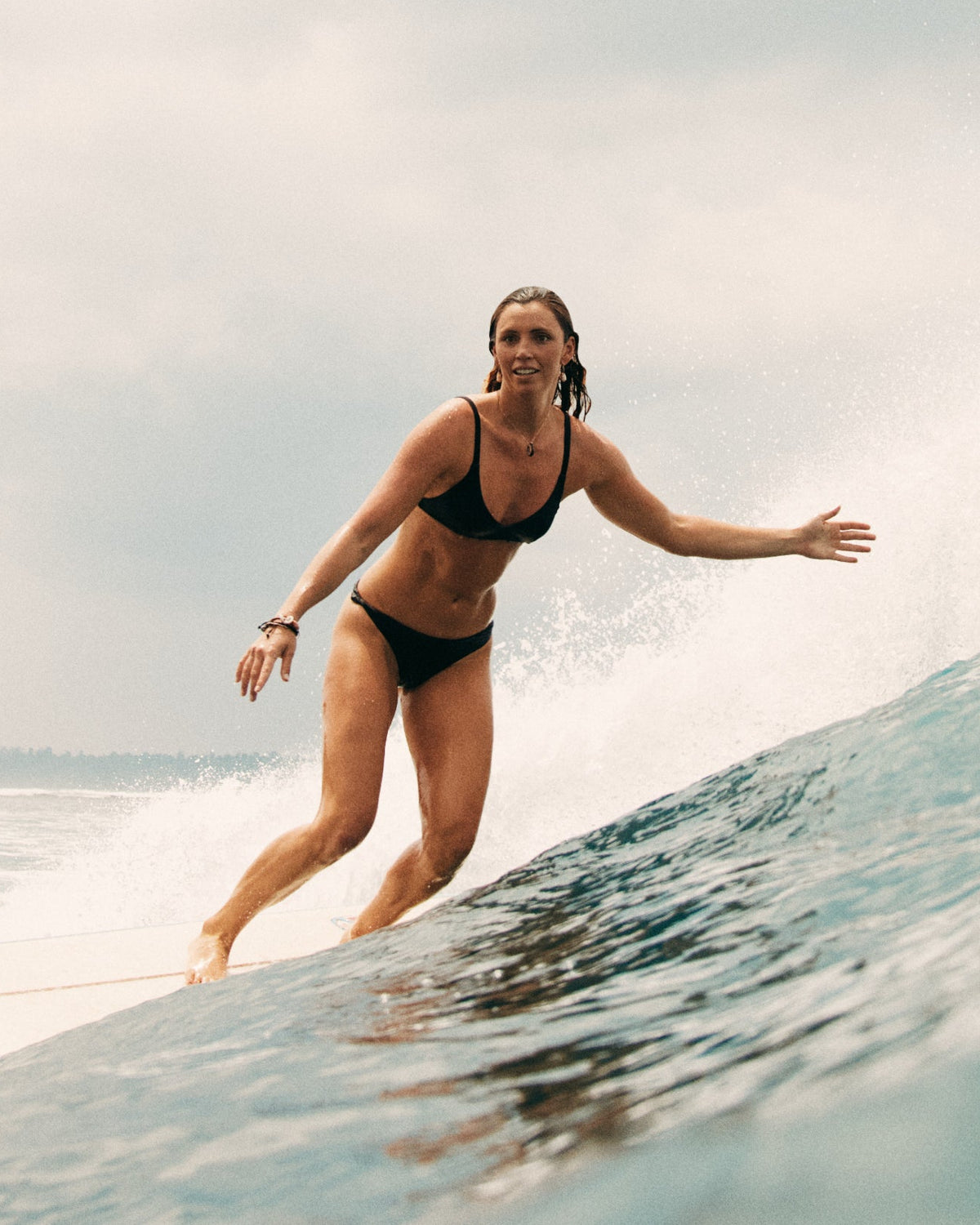
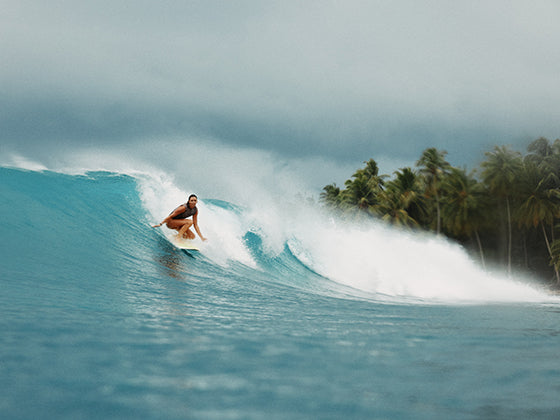
Surfing for me is like taking the express highway when I need to get out of my own way. For it to click, it requires presence, bravery, risk-taking, confidence, humility, and a sense of humor. It can really build character if you let the water rearrange you.
Paddling out is also the only time I feel truly unreachable and free. I can’t scroll or text or check my email in the water. I honestly think that the water being tech-free by default is a major reason why interest in surfing has surged over the last few years. Thinking about it like a refuge from the noise helps me be compassionate when I go somewhere and it’s crowded. We’re all just trying to get away from being constantly online. It’s something we never asked for, and I don’t think we’re wired for it.

3. What are your favorite parts of living in central California and how does living in a small town influence your art?
I have an unyielding appreciation for the landscape, which makes itself known in my work. It’s been almost four years and I’m still in awe every day. It doesn’t get old. The small town factor means I have less distractions than when I lived in a city, but it also looks like running into someone I know every time I turn a corner. It’s easy to spend a day yapping. I have to be more protective of my solitude than I expected in order to get my work done, but it’s a good “problem” to have.
And while living in this area is by no means affordable, my studio rent is a fraction of what it would be in Los Angeles or New York. Having a place like ROCK SHOP to create right now is a huge reason why I live where I do.
4. What has it felt like to achieve so many milestones as an artist? How has growing a following supported your practice, changed it, or been different from what you imagined? (What happens to us once we achieve a dream?)
It’s interesting because I don’t think of myself as an artist that has achieved so many milestones. I make a lot of work, I work hard, and I try not to be shy about getting in front of people. I think it’s assumed that a large online following indicates major success, but I’m scheming how to pay for health insurance and dog food just like everybody else.
I’m grateful for people who see me and understand my language. I consider the people who choose to support what I make my “Fairy Art Angels.” I couldn’t do it without them, and I have a little ritual of saying every customer's name and location out loud whenever a purchase comes through on my website. Lordcowboy is run on Thank You’s!!!
 Check out Joanna's art on her website!
5. You are a huge proponent of digital detoxes and stepping away from the noise of the internet. What is your advice for listening to yourself, stepping away from distraction as a currency, and finding community outside of social media?
My advice is to take these technologies and the lived experiences they disappear from us seriously. People talk about the currency of attention, like technology is stealing my attention, but I think what’s at stake is a lot more than just my attention. Every minute I spend sucked into the void is a minute of real life that I will never get back. If I spend one hour a day on my phone, that’s 30 hours a month, or 360 hours a year. It doesn’t feel like a lot while it’s happening, but when I picture myself alone, hunched over my phone for 360 consecutive hours, it feels pretty alarming.
I am still not ready to step away from using my online presence to support my business, but I am well aware that I’m a different person when I’m not on social media. Taking regular breaks from Instagram has been integral to my mental health over the last few years, and now that I’ve created the container of a support group (TUNE IN, DROP OUT), I don’t have to white-knuckle these breaks alone anymore.
People think they’re in the driver’s seat and can simply unplug from scrolling or habitual “checking” (email, YouTube, Twitter) on their own accord, but that hasn’t been my experience. Almost everyone I know is addicted to their phone and unhappy about it. I think we need to hold each other up when it comes to divesting, even if it’s just for a few weeks. When the experience of loss and craving becomes a shared one, it’s a lot easier to stay the course and to remember the “why,” to learn and grow from the process.
If you're interested in a little online dextox check out Joanna's TUNE IN, DROP OUT accountability incubators aimed at bringing together creatives to reflect, share, get curious, and detox from scrolling and social media!
6. In a world with so much noise, how can we remind ourselves that small actions are the building blocks for bigger impacts?
It’s nearly impossible not to feel helpless when thinking about the state of the world. I get defeated or frozen, I get tempted to pedestalize and blame someone else for “not doing enough” because I perceive them to have more power or a bigger audience than I do. But who thrives when I point fingers and simultaneously think that I have no power? What systems benefit when I insist on outsourcing–or altogether denying–my own agency?
The reality is, at the end of my life, I will have had the most impact on the people around me and in my immediate community. Sometimes I think we lose the plot when we task ourselves with saving the entire world. We know so much, and I think it’s a natural response to want to fix everything. But fixing everything is too big; it swallows us and we do nothing.
There’s this notion that we have to “think bigger,” but that just sounds like capitalism talking to me. I think world peace is actually asking us to think smaller. If I narrow my lens and focus on helping what’s in front of me, that’s no less important than a “bigger” cause. What is a bigger cause anyway? I refuse to get pulled into thinking that some lives are more important than others, and that’s exactly what happens when we start playing God and qualifying bigger versus smaller problems.
I think what saving the world actually looks like in practice is individual people–not corporations, not governments, not celebrities, not billionaires–but individual people doing what they can to nurture the world around them. If everybody commits to nurturing what’s in arm’s reach, the world will be a lot safer for everyone.

7. You are open about grief, both communal and personal. How do you hold and acknowledge grief?
Whenever I’m going through something, I try to remember that the over-culture in the U.S. is really grief-phobic. Because of this, I think it will be a lifelong practice for me to let my feelings be, to let them pass through me–instead of immediately trying to solve or make meaning out of them.
It’s true what they say about grief not being linear. I tend to think I’m “over” something, or that I’ve made peace with how things are, but then a tidal wave of devastation will hit me out of nowhere. I’m starting to think that there’s no such thing as “getting over it” and that the saying is just harmful language that causes me to bypass what’s happening, or worse: makes me feel like I’m failing to meet an appropriate grief expiration date. I think grief is just always with me. I’m better off if I make the time to look at and sit with it, and not just when it’s spilling over.
8. Let's talk imposter syndrome! How do you work through it and acknowledge that we all have a strong power to create?
One of my favorite meditation teachers told me that impostor syndrome will always have a seat at the table with me, no matter what I choose to pursue. There will always be someone better, or reasons to question everything, and days where it makes the most sense to give up. That’s why the only antidote is to be an agent of love in everything I do. Who cares what anybody thinks about what I’m doing, or how good it is? As long as I love and believe in what I’m doing, that’s all that matters. If I love what I do, impostor syndrome will never win.
9. What is your hope for your future practice? If you had to look into the future, where would you see it going?
I like to imagine that one day I’ll be able to help emerging artists with grants or scholarships for their own projects. Maybe one day there will be an artist in residency or a mentorship program I help facilitate. That’s the only “thinking bigger” I share publicly. Otherwise, I keep my dreams pretty close to my heart. People just have to stay tuned if they want to know what I’ll do next.

Thank you to Joanna for being so vulnerable, leading with honesty, and showing us the impact of small but mighty actions! You inspire us to take time for what really matters, embrace authenticity and support community!
Check out Joanna's website or Instagram to find more of her art!
Find Joanna's Picks
More In The Studio With